Custom software development by senior engineers on Long Island.
Custom software for a specific job: a legacy rewrite, a new feature, an integration, or a ground-up build. We scope it with you, build it, and hand it over. Based on Long Island, working with businesses across the US.
- Senior engineers only
- No offshoring
- Family owned
- You own the code
Custom software we build
If the system is critical and creaky, that’s our lane.
Legacy rescue
The system from 2009 the whole shop depends on. Legacy system modernization means taking stock of what works, keeping it, and rebuilding the rest on ground that will hold. Your data migrates across, and the old system stays up until the new one has earned its place.
New features and integrations
Your software mostly works. It just can’t do the next thing. We add to what you have, in old codebases and new ones: a new module, a report the office has been doing by hand, an integration that finally makes two systems talk to each other through their APIs. We plan the change around the parts your business already depends on.
Ground-up builds
The tool you wish existed for your operation. Scoped tight, built by senior hands, and delivered in working pieces you can try as they land.
Manufacturers, distributors, medical offices, logistics, and any business running on software it has outgrown, on Long Island or anywhere in the US.
You can start small: one integration, one report, or one workflow. Before any build starts, you get a written scope and an estimate. The work is billed by the hour against that estimate, and nothing outside the scope starts without your OK. The code and the accounts are handed over to you.
Example builds
Fictional companies and data, made to show the kind of software we build.


How a software build runs
- 01
You write in about the system. What it does, where it hurts. A short message is plenty.
Who’s involved: You
- 02
We talk, in person if you’re on Long Island. You get the engineer who will write the code, not a sales rep.
Who’s involved: You and us
- 03
We scope the heart of it and lay out the build in pieces, the most important piece first. You decide before the build starts.
Who’s involved: You and us
- 04
The first piece lands working and you try it. The rest lands the same way, nothing held back for a big reveal.
Who’s involved: You
- 05
We hand it over. The code and the keys are yours. If you need maintenance or another feature later, we scope that separately.
Who’s involved: You and us
The first step is a conversation, not a contract.
Who you get
Two brothers at the core, with four decades of engineering between them.
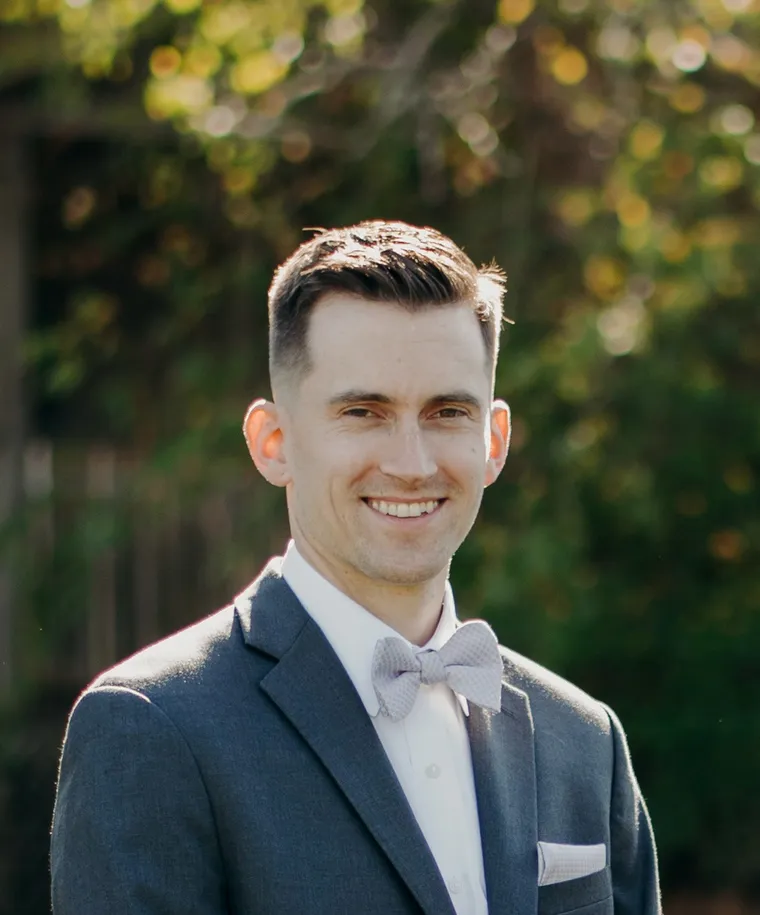
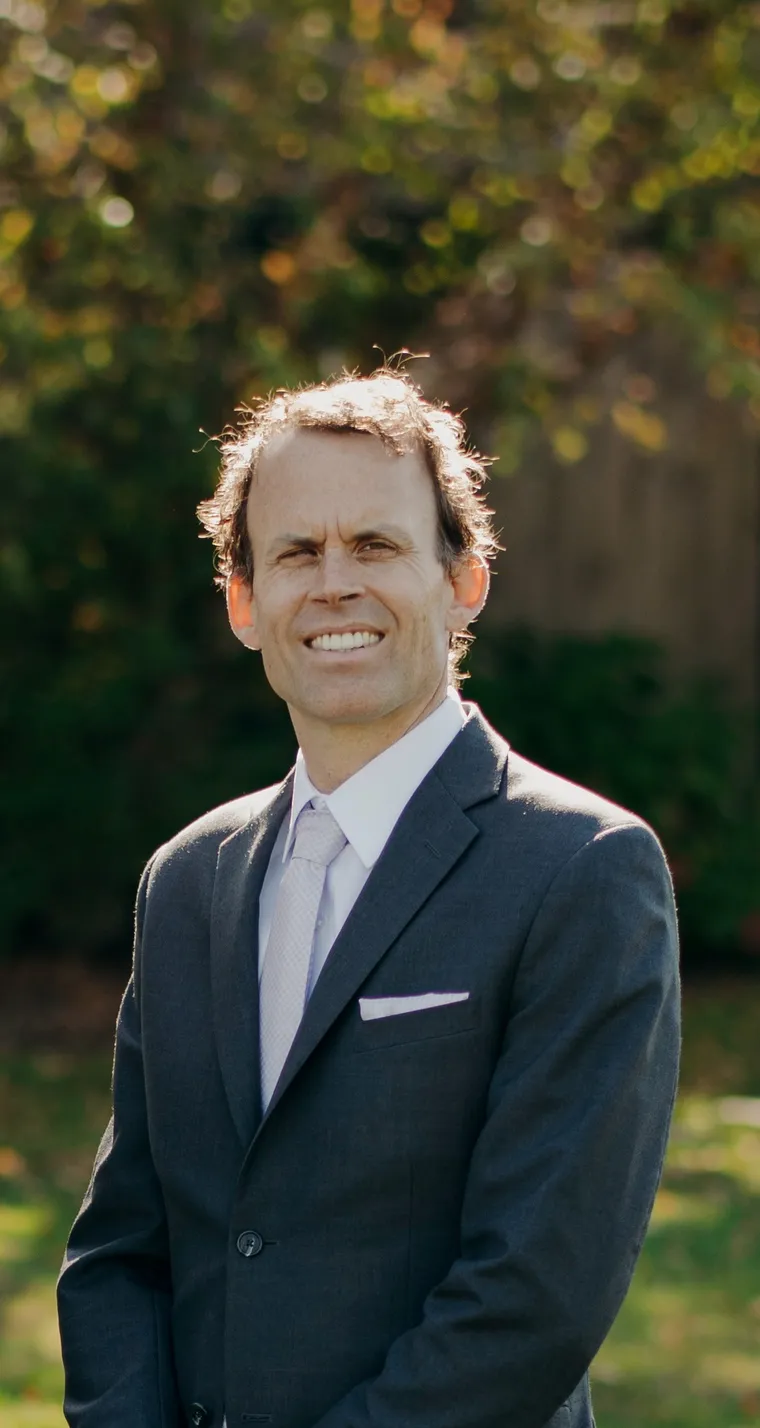
Our team’s experience includes
- Allstate
- bp
- Health Catalyst
- Starbucks
Our experience comes from software we built for employers: legacy rewrites and new systems from the ground up. Most of it isn’t public, so the examples on this page are our own concepts, not client case studies. Now we take on the same kind of project directly, scoped with you.
Small at the core, on purpose. We take your project from scope to handoff. When a build needs the bench, the engineers who join have shipped with us before and work the way we do.
The people you meet are the people who build it.
Based in Shoreham, working across the US. On Long Island, we can also meet in person across Suffolk and Nassau County.
Straight answers
You do. The code, the repos, the cloud accounts, and the keys are yours, whether or not we stay on. Nothing is licensed to you and nothing is locked to us. If we stopped working together tomorrow, another engineer could pick up the repo and keep going. That is the point of building it this way.
It depends on the system, which is why we do not print a number. What moves it: how much of the old system has to come across, how many people use it and how, and whether it has to talk to other software you already run. Before work starts you get a written scope and an estimate, and the work is billed by the hour against it. Nothing outside the scope starts without your OK. A single feature or integration can be a project of its own.
Patch it while patching costs less than the trouble it saves. That stops being true when every small change takes a week, when nobody left knows how a part of it works, or when the operating system or database under it has gone out of support. Even then the answer is rarely one big rewrite. It is rebuilding the worst piece first and cutting over while the rest keeps running.
Yes. The shop is in Shoreham on Long Island and the software work runs anywhere in the US. Most of a build happens on calls, shared screens, and the repo, and that part is the same whether you are down the road or across the country. Being on the Island only means you can also get us in the room.
Yes, and you should ask. The two of us scope and lead every build, and we bring in senior engineers we’ve worked beside for years when a build needs more hands. Nobody junior learns on your dime and nothing goes overseas. The code and the keys are yours the whole time, so you are never stuck with us. We plan the handover when we scope the work.
Yes, from the same hands that built it. Care covers fixing what breaks, making the changes the business needs as it changes, and building the next piece when it comes up. It is billed on its own, separate from the build.
Yes. Send yours over before we talk about the system and we will sign it. What you tell us about your operation stays between us.
Tell us what needs to work.
A feature, an older system, or something new. A few lines are enough to start.
- hello@rautechsolutions.com
- (516) 380-2155
- Shoreham, NY. Working with businesses across the US.
Your message goes to the engineers who do the work. We talk through the fit before any commitment.